Taoist Composition
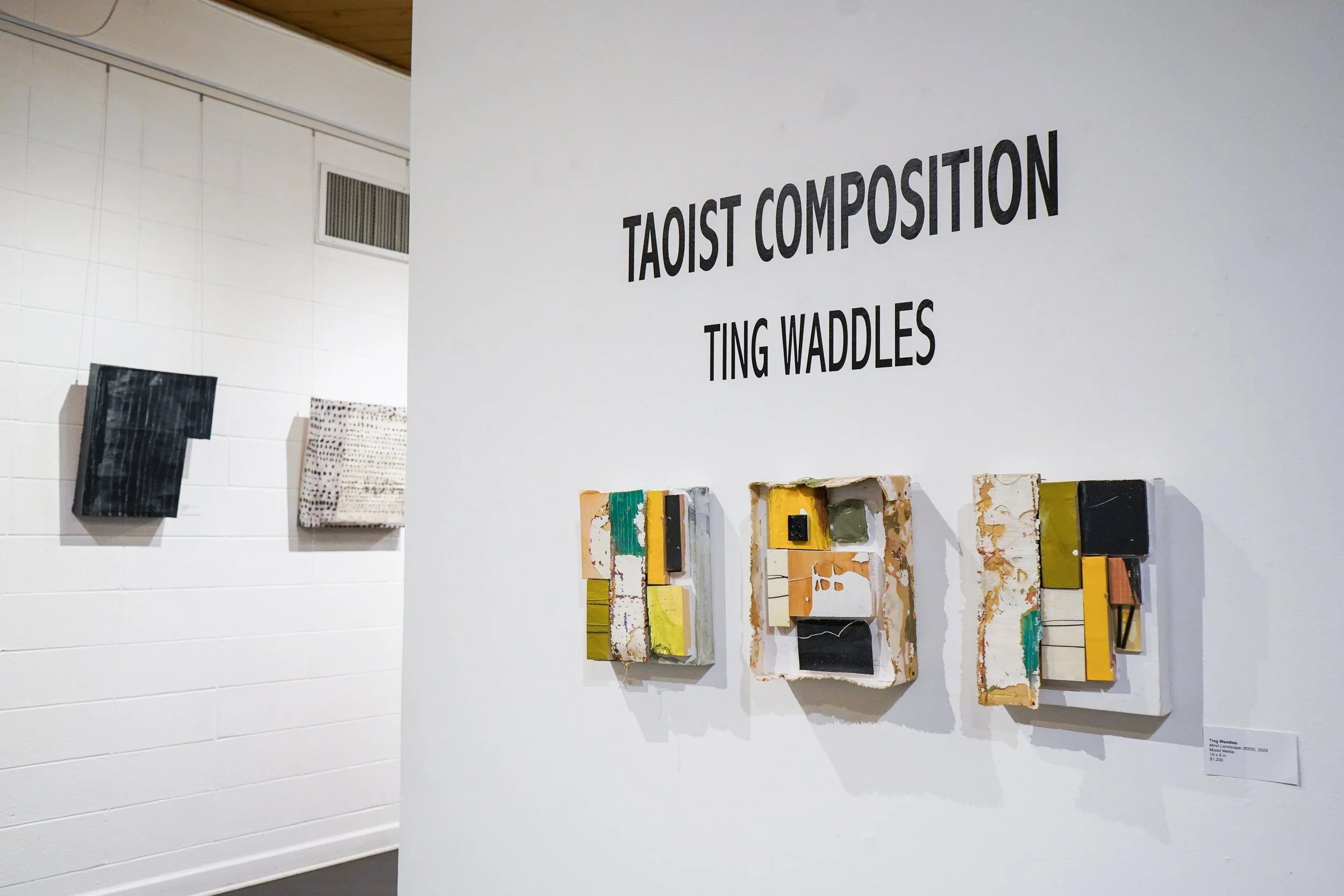
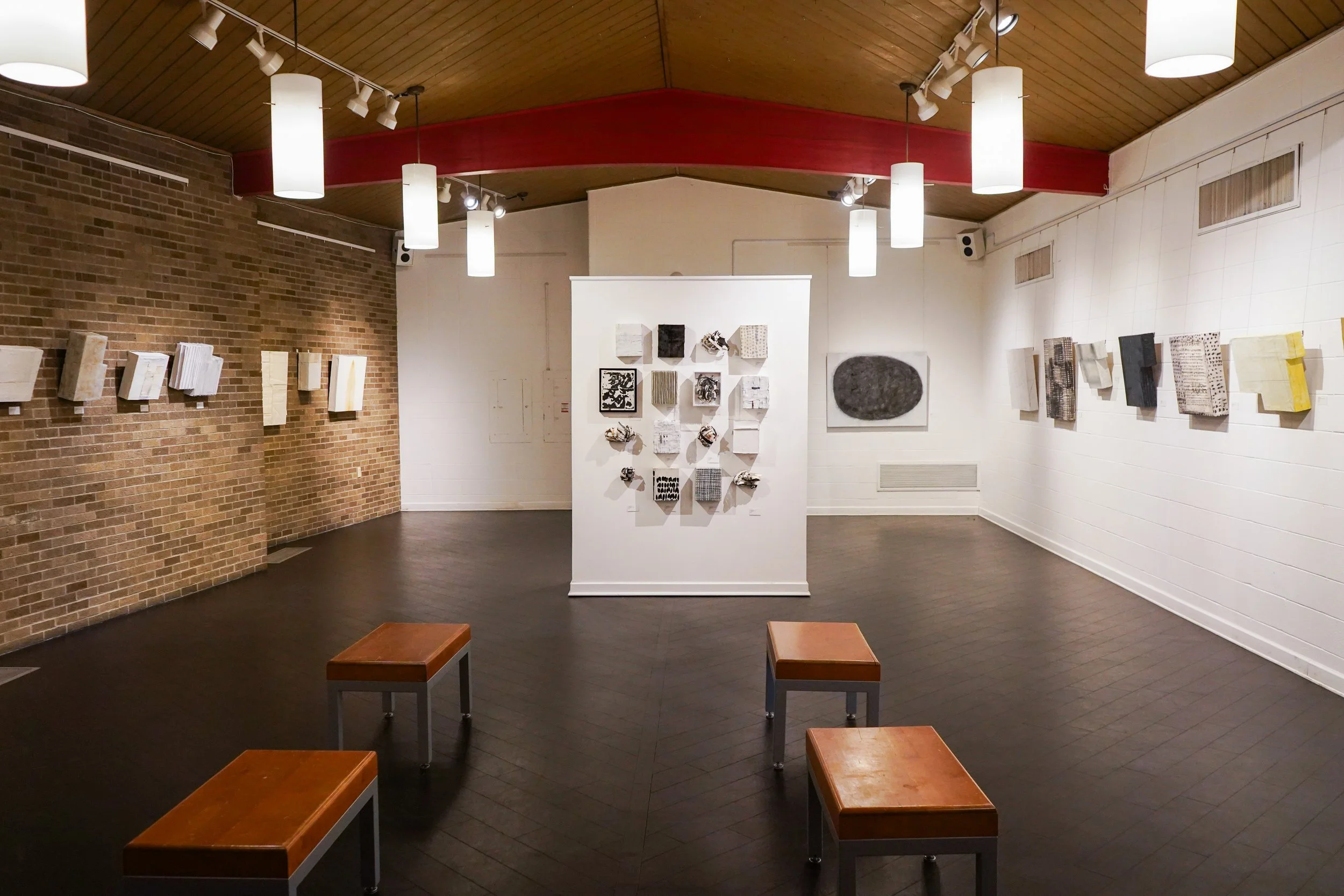
In Ting Waddles' latest body of work, titled Taoist Composition, she creates a new body of abstract, sculptural pieces that offer viewers insight into her unique artistic and philosophical practice. This show is full of pieces that serve as a canvas for viewers to explore the concept of life's cyclical nature. Waddles does this through her use of previous work to create something new, emphasizing that we are all constantly in the process of growing and changing, in a constant state of flux.
Each piece in Waddles' show is uniquely sculptural; some paintings aren't quite paintings, with three-dimensional elements that seep out towards the viewer. There are also sculptures made from ripped canvas painted in vibrant hues, further blurring the lines between sculpture and painting. These pieces are beautiful in their simplicity and the space that they create for us to think about our place in life through the balance Waddles emphasizes in each piece.
One concept that Waddles values in the practice of Taoist philosophy is Wu wei 無為, described as "Non-doing, inaction." This concept emphasizes balance in how we go through life, avoiding extremes. This might mean going through a specific stressful situation with a peaceful mind, or, in terms of an art practice, creating something that visually and physically emulates balance through a calming, muted color palette or composition, or even through how a specific piece might be displayed in the gallery.
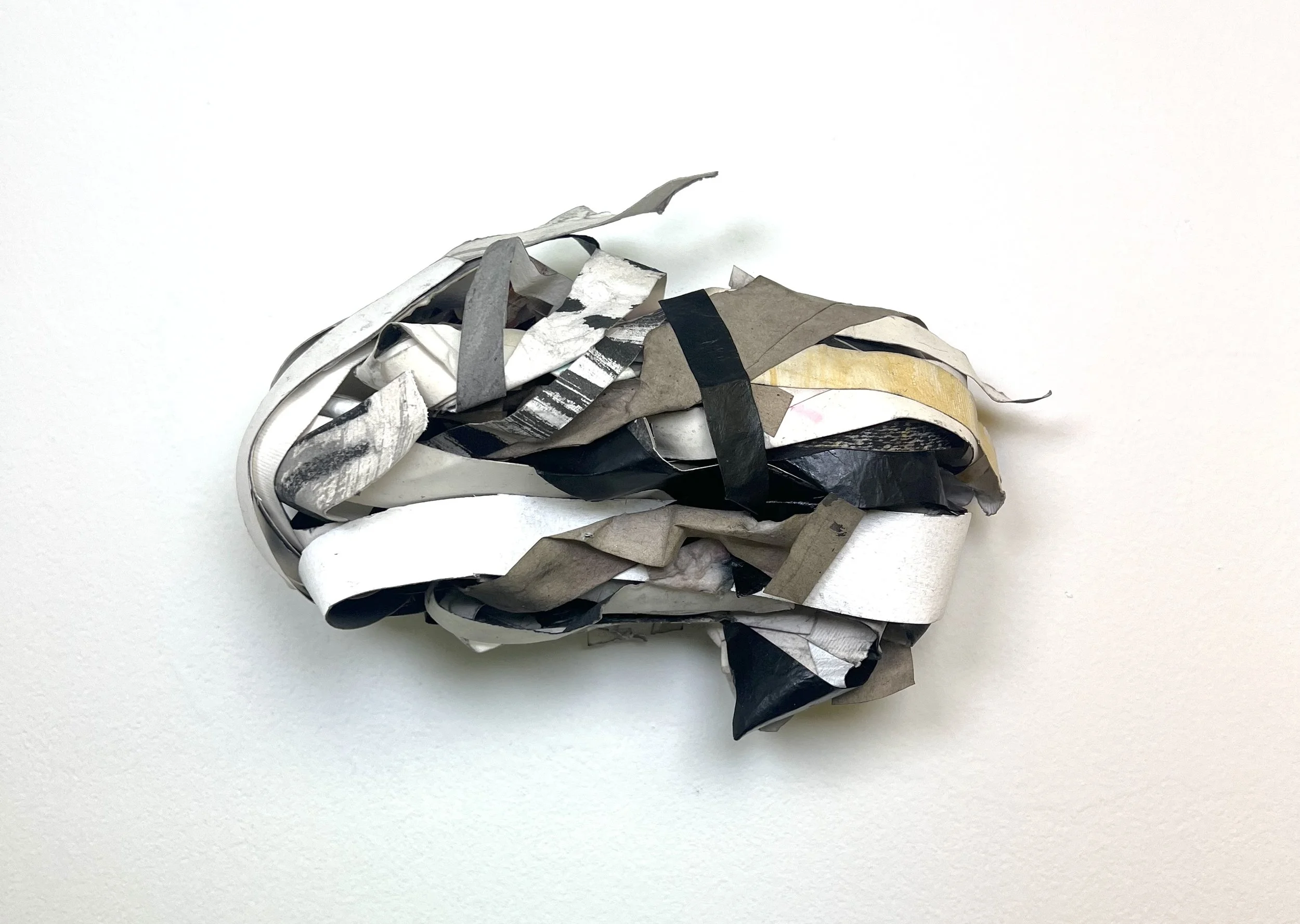
Line Memories III, 2026, Mixed Media.
A perfect example of this in Waddles' show is her piece titled Line Memories III, which is one of her "organic form" pieces. While looking at this piece, it first appears hard and sculptural, partly due to its three-dimensional nature and muted color palette. However, a closer look shows that it is made of different materials, such as paper, tape, or even painted canvas.
This assemblage creates a balance between hard and soft, painting and sculpture (and even drawing!). The beige and black also create an interesting contrast with the wall behind it, while the subdued white paper and other materials cause it to blend in a bit. We can tell that each of these materials has had a previous life, but we also don't know if this is their final stage; will they become something new in another piece Waddles will create someday?
This is an incredibly contemplative body of work that invites us in while requiring very little besides our attention, and offers space to step out of the busyness of life and take a moment to relax, be calm, and be still as we meditate on each piece.